It All Started with Allergies
I never struggled with allergies growing up. That all changed in 1994 when we moved to the Fort Worth area. I was 31 years old and suddenly dealing with something my body had never experienced before. Congestion. Pressure. Headaches. The kind of symptoms that linger and make you feel like you’re never going to feel 100% again.
Like most people, I turned to conventional medicine first. I trusted that it would fix the problem. Instead, my body reacted in ways I wasn’t expecting. The medications seemed to make things worse for me. I felt frustrated. Discouraged. And honestly, confused about why I wasn’t getting better.
That season of my life is what opened the door to essential oils and natural support. I wasn’t trying to replace anything at first, I was simply searching for something gentler that worked with my body instead of against it.
What began as personal frustration became a turning point. My entire journey into natural wellness started because of allergies.
Mother Nature Has a Mind of Her Own
If the past few years have taught us anything, it’s this: seasons don’t behave the way they used to.
It’s only February, and I’ve already heard from friends across the country about pollen issues and allergy flare-ups for themselves and for their pets. Different states, different climates - same challenges.
The weather shifts quickly, temperatures swing from warm to chilly overnight and wind carries pollen across state lines. Pollution levels fluctuate. And our bodies respond.
Here in West Texas, the wind alone can stir up more than we bargained for. We can’t control Mother Nature. But we can prepare for her unpredictability.
Tools that Give You a "Heads Up"
One of the easiest ways to stay ahead of seasonal allergies is by paying attention before symptoms start.
Weather apps are a helpful first step. Many now track pollen count, mold counts, and air quality indexes specific to your zip code. Check out The Weather Channel and AccuWeather. These tools can alert you when outdoor exposure may be higher than usual.
Pollen Count vs. Mold Count - What's the Difference?
When checking weather or allergy apps, you may see both pollen count and mold count listed. While they can trigger similar symptoms, they come from different sources and often spike under different conditions.
Pollen Count
Pollen count measures how much pollen from trees, grasses, and weeds is circulating in the air. Pollen levels are often highest on warm, dry, and windy days when particles are easily carried through the air.
Mold Count
Mold count measures the number of airborne mold spores. Mold spores tend to increase after rain, in humid conditions, or when damp leaves and organic material begin to break down.
In simple terms:
Both can contribute to sneezing, itchy eyes, sinus pressure, and fatigue — in both people and pets.
Monitoring both gives you a clearer picture of what might be affecting your home environment so you can prepare accordingly.
Checking the pollen count in your area can give you a helpful “heads up” so you can reduce outdoor exposure, wipe paws after walks, and support your home environment proactively.
But there are other clues, too.
Watch for Environmental Signals
🌬 Notice increased wind patterns (especially sustained windy days)
🌳 Watch for tree budding and grass growth in your area
🚗 Pay attention to dust buildup on outdoor furniture or vehicles
🐶 Observe your pets — licking paws, watery eyes, sneezing. These an be early signs your pet is reacting to pollen outdoors, so wipe paws and check faces after time outside
🌫 Monitor local air quality alerts
📅 Track patterns year over year (your body often follows similar timing)
Pay Attention to Early Body Signals
🤧 More frequent sneezing
🤕Slight sinus pressure
👀💧️Watery or itchy eyes
😴Fatigue that feels “seasonal”
🐶🐾Pets licking paws, shaking heads, or rubbing their faces
Often, our bodies whisper before they shout. Being observant allows you to act sooner rather than later.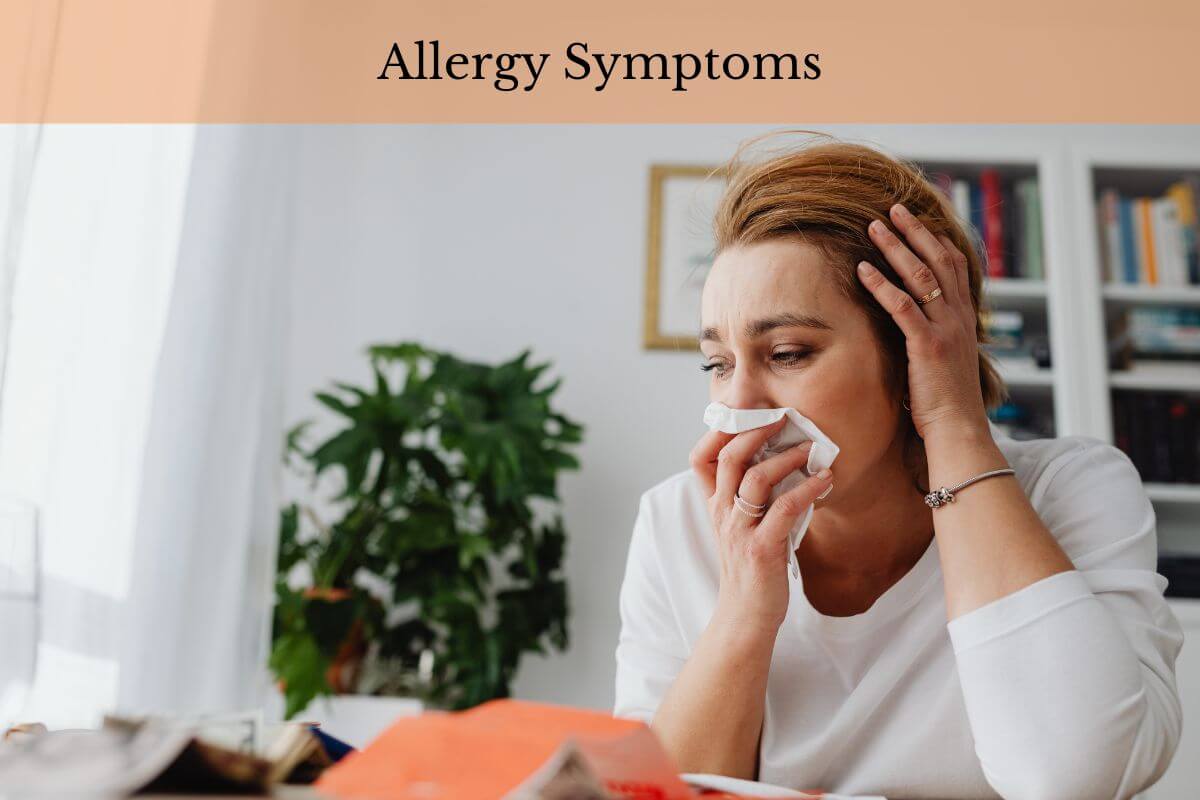
Do You Have a Natural Solutions Box?
Here’s a question I like to ask: Do you have a “natural solutions” container ready to go for seasonal flare-ups?
Not something complicated. Not a cabinet overflowing with products. Just a simple, intentional kit.
A seasonal support box might include:
- A humidifier
- Saline rinse
- Local raw honey (if appropriate for your family)
- Air purifier filters
- Supportive essential oils
- Tissues, throat support teas, soothing balms
When everything is in one place, you save time, stress, and often money.
Because here’s the reality, prolonged allergy flare-ups can escalate. And if you feel awful for days, you may not be able to get into the doctor immediately. Even when you can, appointments, prescriptions, and missed work all add up. Preparation isn’t fear-based. It’s wisdom-based.
Not All Allergies Are the Same
When we talk about allergies, most people think of pollen. But sensitivities can come from many sources:
Food allergies (which are managed by avoiding trigger foods)
Animal dander
Mold
Dust
Insect stings (and if reactions are severe, emergency medication is essential)
Environmental pollutants
There is no true “cure” for seasonal airborne allergies. The goal is awareness, management, and preparation. It’s about understanding your triggers and supporting your body — not waiting until you feel miserable.
A Gentle Invitation to Prepare
We may not be able to control the wind, the pollen, or the changing seasons… but we can choose to be ready.
Take a few minutes this week and ask yourself: Do I have a seasonal support plan in place for my home?
If not, start a simple container and begin gathering the basics.
In Part 2, I’ll share exactly what I keep in mine, including natural approaches I use for both people and pets. Because when Mother Nature keeps us guessing, preparation brings peace.
Happy Oiling,
Cindy